
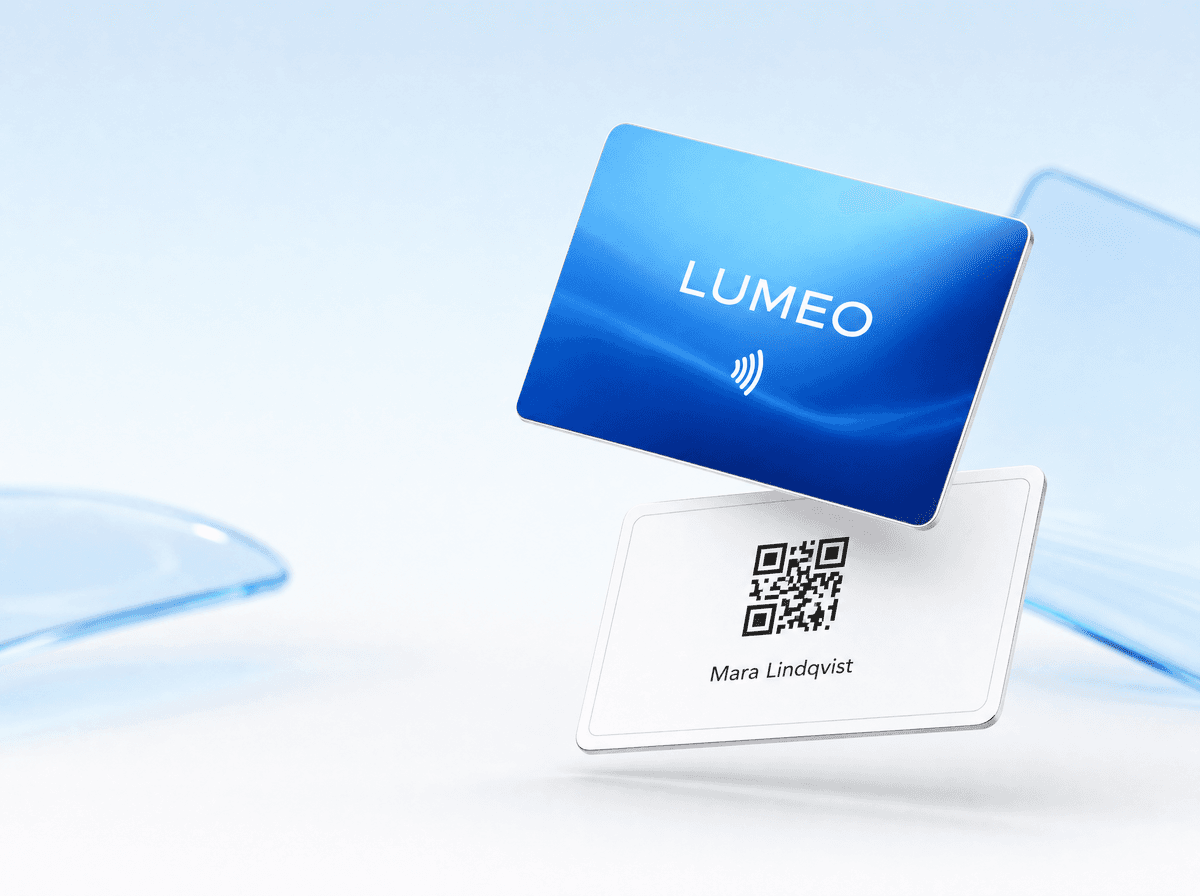






Trademarks, Logos & Digital Assets: What’s Protected on Your Business Card
Your business card is oftentimes the first tangible impression you leave with a client, prospect, networking partner, or investor. As such, it only takes one glance to communicate who you are, what you do, and how you wish to be remembered. However, here’s the part that many entrepreneurs overlook. Ultimately, that little rectangle of cardstock is packed with legal considerations that have the potential to protect… or jeopardize… your brand.
Every element of your business card tells a story. Your logo, tagline, color scheme, and even your choice of typography can fall under trademark or copyright protection. Your name and contact details tie right to your business identity, while digital assets like your website, social handles, and QR codes can carry their own intellectual property (IP) and privacy risks. This is why understanding the rules surrounding trademarks, copyright, and digital assets is just as important as choosing a perfect business card design.
In this blog, we’ll examine what can be protected, how to safeguard your IP, and why your business structure also matters. You’ll gain knowledge on some practical steps that can keep your brand assets secure today, tomorrow, and well into the future.
Understanding What’s on Your Business Card
A business card might seem like “no big deal” in the scheme of things, but it really does contain multiple elements that reflect your brand–each with its own potential legal considerations. Knowing what’s on your card helps you pinpoint what may need protection.
Typical elements include:
-
Business name
-
Logo or brand mark
-
Tagline or slogan
-
Contact details
-
Website or social media handles
Each of these components can be subject to specific rules around IP. For example, your business name and logo may qualify for trademark protection, while your tagline could be safeguarded as part of your brand identity.
Even your website URL or social media handle can have value and should be registered in order to prevent them from being misused.
Really, understanding all of these elements from the beginning enables you to secure your rights and prevent expensive disputes from arising later on.
Trademarks and Brand Identity
A trademark is a legal designation that protects words, symbols, designs, or combinations that identify or distinguish your brand. Trademarks matter because it protects your unique identity in the marketplace.
Here are some things that can be trademarked:
-
Business name
-
Logo
-
Tagline
-
Unique color combinations or brand elements
The benefits of trademark protection include:
-
Prevents others from using confusingly similar marks that could mislead consumers.
-
Builds credibility and long-term value in your brand.
-
Strengthens your position in disputes or enforcement actions.
It’s wise to consider filing a trademark as soon as your branding is finalized–even if you run a small business. Early registration helps prevent competitors from claiming rights to your brand assets and confirms your marketing investments are protected.
Before finalizing your business card, it’s important to ensure that your brand name and visual identity do not conflict with existing trademarks, as this can lead to legal disputes or forced rebranding. Conducting proper checks helps safeguard your intellectual property while reinforcing your brand’s distinct presence in the marketplace.
Copyright Protection for Visual Assets
Copyright is a legal right that protects original works of authorship, including creative visual designs. For business cards, copyright applies to unique, original design elements that go beyond basic shapes or text.
Copyright has the potential to cover:
-
Original logo designs
-
Custom typography created specifically for your brand
-
Artwork or illustrations used in branding
Owning a design doesn’t always mean having the rights to use it in a commercial sense. If you hired a designer, you may only have usage rights under your contract–not full ownership–unless the agreement transfers the copyright to you.
In the United States, it is possible to register your copyright with the U.S. Copyright Office. While protection exists automatically upon creation, registration boosts your ability to enforce your rights in case of infringement.
Digital Assets on a Business Card
Social media handles are as valuable as your company’s logo these days. If your handle is distinctive and tied to your brand identity, it may be considered IP. Securing consistent usernames across platforms can help you protect your online presence and prevent others from impersonating you.
Additionally, your website domain name is a key part of protecting your brand. Owning the exact match to your business name minimizes confusion and builds credibility. Many entrepreneurs also explore a premium domain names marketplace to secure distinctive, high-value domains that strengthen their brand presence. And in some cases, domains can be trademarked if they function as a brand identifier rather than a web address alone.
What’s more is that QR codes are also common on business cards as they link directly to websites, portfolios, or payment pages. However, they can raise security and privacy concerns. As such, it’s important to control the destination URL and confirm it directs to a secure, reputable site, especially if it collects personal data from users.
Your Business Structure Matters, Too
Operating your business under a personal name can result in facing unnecessary legal and financial risks. For brand protection it’s often a smart move to establish a formal business entity.
Here are the benefits of forming a Limited Liability Company (LLC) for brand assets:
-
Keeps IP tied to the business entity, not the individual.
-
Limits personal liability in case of infringement disputes or lawsuits.
-
Adds credibility when negotiating contracts or protecting your brand in legal filings.
For example, starting an LLC in New York (or in states like Wyoming or Delaware) requires meeting certain steps, including:
-
Filing formation documents with the state.
-
Designating a registered agent to receive official legal notices.
-
Obtaining an Employer Identification Number (EIN) for banking and tax purposes.
Registering your brand assets, including trademarks, copyrights, and domain names, under the LLC name guarantees that they remain legally protected as part of the business.
Avoiding Legal Landmines
One of the quickest ways to run into trouble with your business card design is by using assets you don’t have the legal right to use. This can include unlicensed stock imagery, which may look “free” online but often come with strict usage rules. Fonts are another common issue as many require specific commercial licenses prior to using them in any branding or collateral.
Generic clip art can also be a problem. Not only is it often ineligible for copyright protection, but these images can be so widely used that it fails to distinguish your company in the general marketplace. While yes, you may legally be able to use it, the fact is, you won’t stand out.
At the end of the day, in order to protect yourself, always verify your design assets. This can mean purchasing from reputable stock libraries, obtaining commercial font licenses, and keeping documentation of all asset purchases. And if you work with a designer, make sure they understand licensing requirements and get agreements about who owns what in writing.
Steps to Protect the Elements of Your Business Card
Protecting your business card starts with knowing exactly what you have and ensuring it’s legally secure.
Here are some steps to consider following:
-
Audit your current card.
-
Identify trademarkable elements such as your business name, logo, or design.
-
Verify copyright ownership for any original artwork, typography, or custom design.
-
Secure matching domain names and social media handles to prevent brand impersonation.
-
Register trademarks and copyrights to establish legal protection.
-
Keep proof of creation and usage, including design drafts, invoices, and dated files.
By carefully following these steps, you confirm that every detail of your business card is backed by the right protections.
Updating and Maintaining Protection
Maintaining protection for your business card elements is an ongoing process–it certainly isn’t a “one and done” sort of situation.
Therefore, do the following:
-
Update your trademarks whenever you rebrand or refresh your logo, tagline, or overall design.
-
Expand trademark coverage if you enter new markets or offer new products or services.
-
Keep up with renewals and regularly monitor for potential infringement by other people or entities.
-
Ensure your LLC and EIN remain in good standing, as this maintains legal ownership of your IP.
-
Periodically review your domain names, social handles, and digital assets to confirm they remain protected and consistent with your brand.
Remember, performing regular updates to your brand and engaging in ongoing monitoring can prevent having to deal with legal problems in the future.
When to Work with Professionals
Working with experienced professionals can make a huge difference when protecting and growing your business. For instance, when expanding into a market like China, a corporate services expert can guide you through company registration in China, ensure all local regulations are met, and keep your legal filings and licenses in perfect order.
Next, partnering with a graphic designer who understands IP can help you create original logos, typography, and artwork that are legally defensible. Additionally, registered agent services guarantee your business receives important legal notices and remains compliant with state requirements.
Combining all of these professional resources together gives you a veritable arsenal of knowledge and advice–and offers a strong foundation for your brand’s long-term protection.
Take Proper Steps to Protect Your Brand
Your business card is more than a piece of contact information–it’s a legal and branding asset.
Trademarks, copyrights, and digital elements all require protection and forming an LLC with a proper EIN and registered agent strengthens your ownership.
Work with professionals, stay vigilant, and regularly update your assets. Remember, a little prep work now will confirm your brand stays insulated and your business grows with confidence.
Author Bio
Amanda E. Clark is a contributing writer to LLC University. She has appeared as a subject matter expert on panels about content and social media marketing.


