




About the Author
Marijana Gligoric and Srdjan Ristanovic are founders of brigit.dev, a product development agency that goes far beyond just building mobile and web apps. Their team integrates deeply with founders, acting as strategic partners - blending UX psychology, habit-forming features, and business logic to help startups not only launch, but grow through upsell, cross-sell, and long-term user retention.
While based in Europe, brigit.dev works globally across SaaS, MedTech, EdTech, FinTech, and other verticals - because in fragmented markets like ours, you can't afford to niche down too soon. You have to be smart, flexible, and deeply user-driven.
Since recently expanding into the U.S. market, Marijana and Srdjan share this playbook from firsthand experience - what it's really like to network, connect, and build traction in the fast-paced NYC tech scene.
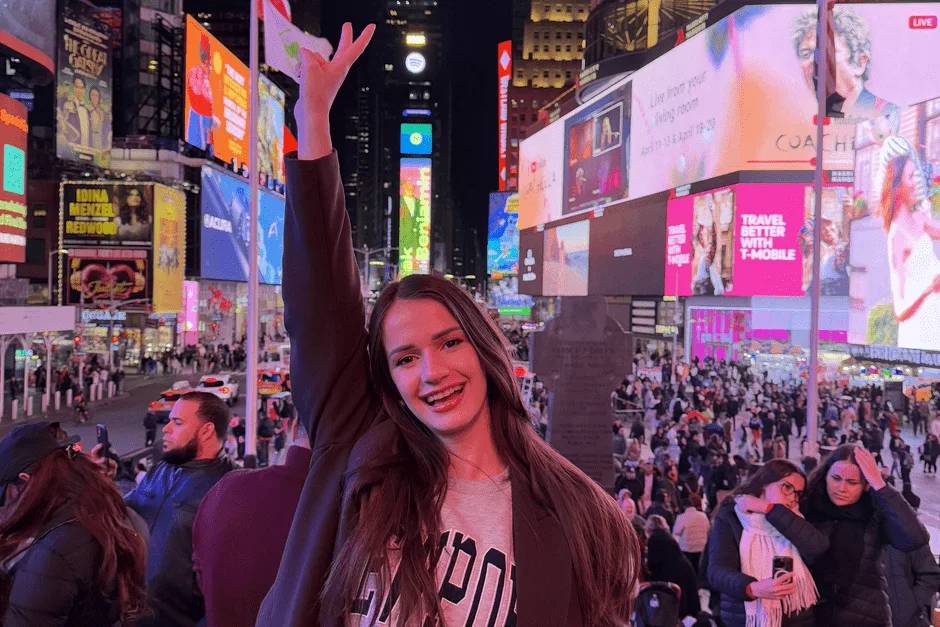
Where to go, who to meet, and how to make it count.
If you’re a founder visiting New York City, chances are you’re here to meet people, pitch your vision, and open doors for your startup. Welcome! NYC moves fast, talks straight, and rewards initiative.
We recently spent a few intense weeks in the city, attending events, meeting investors, and talking to other founders. We made mistakes, learned what actually works, and found ourselves in dozens of conversations that helped us rethink our strategy and expand our network.
This guide is everything we wish we had when we landed.
It’s tactical, honest, and full of practical tips-from where to go, how to reach out, and who’s worth knowing. Whether you're coming for a week or staying for the long game, this guide will help you make the most out of every coffee, pitch, and handshake.
Where to Stay & Navigate the City
Best Areas to Stay
When you’re here for networking, location is key. You’ll be hopping from meetings to events, and the clock adds up fast. Here are a few founder-friendly neighborhoods to consider:
Flatiron District:
A tech hub that’s walkable and buzzing with startups, coworking spaces, and VCs. It’s perfect for lunch meetings or quick coffee chats.
SoHo / Nolita:
Stylish and central, with a creative energy. Great access to events, plus it's where many founders hang out or host meetups.
DUMBO (Brooklyn):
Chill but vibrant, with coworking spaces and a creative community. Plus, the views of Manhattan are pretty epic! If you’re meeting NYC’s more creative tech crowd, you’ll likely end up here at least once.
Getting Around: Time-Saving Tips
Walking is your best friend.
For distances under 30 minutes, walking is often quicker and way more enjoyable. You never know who you’ll run into or what café you’ll discover!
Use the Subway for longer distances.
Google Maps or Citymapper will guide you. Just remember to build in some buffer time for unexpected delays.
Avoid Uber during peak hours.
The traffic is relentless. What looks like a 15-minute ride can stretch to 45 in a heartbeat!
Check venues in advance.
NYC venues can be tricky to find (think warehouses or rooftops). Arrive 5–10 minutes early to avoid an awkward entrance.
Essential Networking Apps & Tools (that actually work)
NYC can be overwhelming. Events pop up every day, people are always "in meetings," and unless you know where to look - you’ll waste time chasing dead ends. The good news? You can stack the odds in your favor with a few tools that helped us unlock real opportunities.

Here’s what worked for us and how to use each one smartly:
Lunchclub - AI-powered networking
Lunchclub pairs you with relevant people quickly - whether they’re investors, fellow founders, or industry operators.
Tips:
- Be super specific in your intro about your NYC visit and who you want to meet.
- Follow up after your call; people love connecting you with others.
- Use it as a warm-up tool before bigger meetings.
Geneva - Community-driven meetups
Geneva hosts intimate groups for founders and creators. It’s the go-to platform for small, curated events.
Use it for:
- Genuine conversations in smaller settings
- Access to the creative startup overlap scene
Eventbrite - High-quality public events
Eventbrite is where you’ll find more “official” startup events - panels, demo days, pitch nights.
Telegram Groups - Fast-paced NYC tech scene
Telegram groups are often more active than Slack or Discord. Look for invite-only channels for founders and operators.
Examples:
- “NYC Founders Collective”
- “AI Builders NYC”
X (Twitter) - Your networking weapon
Keep track of who’s building what in real-time. Start by:
- Following active NYC founders.
- Creating private Lists like “VCs NYC” and “Tech Events NYC.”
- Tuning into notifications for key people.
To sum it up:
| Tool | What it’s good for | Pro tip |
|---|---|---|
| Lunchclub | Smart 1:1 intros | Be specific about your NYC dates and goals |
| Geneva | Intimate, curated events | Join 2–3 local groups and engage |
| Eventbrite / Luma | Larger public events | Search by niche and location |
| Telegram | Fast-moving founder chats | Ask to be added in person |
| X (Twitter) | Real-time tracking & access | Use Lists + DMs + live posting |
Must-Join Communities
If you only rely on public events and casual chats, you’ll miss most of what’s actually happening in the NYC tech scene. The real magic? It happens in communities - small, invite-only groups, Slack channels, founder dinners, Telegram threads, private brunches.
We tested over a dozen communities and here’s a curated list of those that are actually worth your time.
Tavern Community
Join Tavern for an active space filled with founders and creators. Their events are relaxed and authentic-think rooftop drinks and no-pressure demo days.
Why it matters:
- You get access to their events and co-working space
- Vibe is casual but driven - everyone’s working on something cool
- It’s a place to connect without pitching and that’s rare
Apply early - spots fill up fast.
Startup Grind NYC
Startup Grind NYC hosts fantastic events for early-stage founders, including fireside chats with top names and pitch showcases.
You’ll find:
- Fireside chats with top founders and VCs
- Startup showcases
- Panels on go-to-market, fundraising, hiring
Ideal for:
- Founders in pre-seed/seed stages
- People new to NYC startup scene
- Building visibility without being “salesy”
Gen Z Tech Communities
For younger founders, these communities are gold:
Small group of Gen Z creators and builders who share ideas, resources, and meet IRL.
A community and incubator hybrid focused on bold building.
Invite-only but worth exploring - the network is tight and helpful, even outside NYC.
Founders Network by Damien Crosse
A close-knit Slack community that practices genuine support among founders. Strong focus on honest conversations, with weekly “asks & offers” threads.
Slack invite: (usually shared via events or other founders)
Founders Common
Community for early-stage and first-time founders who are building in public or growing small teams. It’s designed to be a safe space for brainstorming, building together, and giving/getting feedback.
Founders Club NYC
Check out Founders Club for curated interactions and community-driven activities like hikes and dinners.
Tech Builders & Operator Collectives
Join underground events hosted by people like Andrew for intimate dinners and gatherings.
These are less “official” but incredibly powerful if you’re in SaaS, dev tools, or AI:
Follow @andruyeung on X - he hosts the best underground events:
- Junto Founder Dinners
- Breakfast Clubs
- 500+ person summits
- Rooftop parties
You’ll meet founders, VCs, and operators all in one go.
How to Get In
Joining communities can seem tricky, but it’s all about visibility:
1. Be visible.
Attend events and mention you’re looking for a community.
2. Be specific.
Instead of a vague “Any good communities?”, say, “I’m building an early-stage SaaS and looking for feedback groups.”
3. Give before you ask.
Share resources or help others out. Communities appreciate those who offer value.
Effective Outreach Strategies
Outreach in NYC isn’t about being charming, it’s about being clear, relevant, and fast. Everyone’s busy, and attention spans are short. You either bring value in the first few seconds, or your message gets ignored.
Here’s how to make your outreach count:
1. Be direct.
Skip the small talk. Say who you are and why you’re reaching out - immediately. Make it relevant to the person you're contacting.
2. Keep it short.
No one has time to read long intros or stories. Two or three sentences is more than enough to explain what you’re building and why you’re reaching out.
3. Make your value clear.
Don’t make people guess what you want or how it helps them. Be clear about what you’re offering or asking and why it matters now.
4. Include a clear call-to-action.
End your message with something specific. Suggest a time, offer a calendar link, or propose a quick coffee. Avoid vague questions like "let me know what works."
5. Show momentum.
You’ll get more replies when people feel like you’re already in motion. Mention that you’re in NYC for the week, meeting other founders, or already attending events.
6. Use the right channels.
- X: Good for casual intros and fast conversations
- LinkedIn: Works well for people you’ve met or those who post regularly
- Email: Still best for reaching VCs or operators with limited availability
7. Avoid friction.
Don’t ask people to “suggest a time” or “let you know if they’re interested.” Make it easy for them to say yes - drop a link or offer two clear options.
8. Don’t follow up too soon.
If they don’t respond right away, wait a few days before following up. One gentle follow-up is fine. After that, move on.
Top Cafés for Networking
In NYC, cafés aren’t just for grabbing coffee - they’re where meetings happen, deals get started, and random conversations turn into something real. If you’re a founder visiting the city, these are the places where you’ll likely meet other builders, investors, and creatives - without even trying.
We tested dozens of spots. Here are some standout spots to meet other builders or investors:
What to Look for in a Café
- Ample seating (especially communal spots)
- Reliable Wi-Fi
- Power outlets
- A work-friendly atmosphere
Best cafés for founders, operators, and tech people
Use this map to explore:
Most places here are founder-tested and community-approved.
Best Networking Cafés
- Variety Coffee (Chelsea & Williamsburg): Spacious and a great vibe.
- Blue Bottle (Bryant Park or SoHo): Popular stop for designers and VCs.
- Butler (DUMBO & Williamsburg): Outdoor seats and a lively ambiance.
- Cafe Kitsuné (Flatiron): Aesthetic and ideal for quick chats.
- Remi Coffee & Co. (Midtown): Chill spot for deep work and meetings.
Bonus: Ace Hotel Lobby (NoMad): Technically not a café, but a go-to for founders and operators, massive space, low-key business vibe and it is great for casual meetings and spontaneous networking
Pro Tips:
- Don’t isolate yourself-be approachable.
- Aim for mornings or late afternoons for maximum energy.
- If you’re meeting someone, show up early to snag a good spot.
Best Co-working Spaces in NYC
NYC is packed with coworking spaces, but not all of them are worth your time. Some are just quiet offices. Others are full-on communities where events happen, intros are made, and people actually talk to each other.
The good ones aren’t just for desk space - they’re a fast lane into the local startup scene. And many of these spaces also streamline day-to-day operations with meeting room booking software, making it easy for members to reserve rooms and stay productive without any hassle.
Finding the right coworking space can be a game changer.
What makes a space worth it
- Strong founder/operator presence
- Community managers who make intros
- Events, pitch nights, office hours
- Options for day passes or free trial days
- Comfortable shared areas where people actually talk
Our favorite NYC co-working spaces for startup founders:
1. NeueHouse – Madison Square.
- Beautiful space with a curated community
- Great for founders, creatives, and early-stage teams
- Lots of members from VC, design, and media worlds
- You’ll hear startup convos just by sitting in the lounge
Good to know: Events happen here regularly - even if you’re not a member, try to get invited as a guest
2. WeWork – Multiple Locations
- Ubiquitous and reliable
- Some locations are better than others (SoHo, Bryant Park, Dumbo)
- Great if you just need a desk and want to be around other builders
Pro tip: Use a day pass to test the vibe or just show up early and ask for a tour
3. The Tech Garden
- Smaller, more intimate community
- Ideal if you’re looking to go deep with other technical founders
- Good chance to meet product people and engineers
4. Data Future Lab
- More than just a coworking space - part of a startup incubator
- Backed by NYU, focused on data, AI, and emerging tech
- Founders here are often pre-seed or seed-stage, working on hard problems
5. Luminary
- Community-focused, with emphasis on diversity and inclusion
- Lots of female founders and impact-driven startups
- Strong sense of collaboration - events, mentorship, member support
6. Tavern Community
- Mentioned earlier in communities, but worth repeating here
- They offer shared workspace options, founder lounges, and casual coworking vibes
- Even if you don’t work there full-time, it’s one of the best places to meet people building cool stuff
How to network even without a membership
Networking at coworking spaces doesn’t always require a membership. Start by checking if the space hosts public events like pitch nights, panels, or community breakfasts. Follow them on X or subscribe to their newsletter for event updates.
You can also ask a member to invite you as a guest, as most spaces allow this. If you're not able to get an invite, book a day pass and treat it like a mini-conference: show up early, work, meet people, and stay late.
Don’t forget to introduce yourself to the community manager - they’re great for making connections if you share what you're building. The right coworking space isn’t just about having a desk; it’s about surrounding yourself with people who push you forward. In NYC, the value of that access is often worth the price of admission.
Early-stage Investors, VCs & Incubators
You don’t come to NYC just to meet other founders - you come to get in the room with people who can fund your company or open serious doors. But here’s the truth: not all investors are approachable, active, or early-stage focused. Before connecting with investors, founders can use tools like a private equity calculator to get a quick, informational understanding of potential deal structures, valuations, and projected returns. This doesn’t replace professional advice, but it helps you approach discussions more confidently, ask smarter questions, and gauge the financial implications of different investment scenarios.
If you’re looking for funding, knowing the right investors is crucial:
1. AlleyCorp
- One of NYC’s most respected early-stage funds
- They incubate and invest - especially in SaaS, healthcare, and B2B
- Known for being founder-friendly and hands-on
They’re often the first check in and help shape the company alongside the team.
2. 25Madison
- Part venture studio, part fund
- Focus on pre-seed and seed-stage
- Based in NYC and plugged into product-led startups
They sometimes co-build with founders and provide resources beyond funding. Strong product + strong narrative = a good fit.
3. Techstars NYC
- Classic accelerator, still relevant
- 3-month program with $120K investment and huge mentor network
- Good credibility boost for first-time founders
It is best for founders building in B2B SaaS, fintech, or healthtech, who want structure + speed
4. Future Labs at NYU
- Incubator connected to NYU, focused on deep tech and AI
- Offers office space, mentorship, and investor access
- You don’t need to be an NYU grad to apply
Real support + legit investor connections + engineering-heavy founder network
5. The Fund NYC
- Community-driven fund made up of operators and founders
- Focused on investing in local early-stage startups
- They often invest based on referrals and relationships
How to get in: Start by connecting with members at events - many are active in the NYC tech scene and open to conversations
6. AngelList & X as warm-up tools
Before reaching out cold, use platforms where investors actually hang out:
- AngelList: Search NYC-based investors by category
- X (Twitter): Many pre-seed VCs share what they’re interested in funding - reply thoughtfully, then DM
Connecting without the Pitch
- Attend investor events to build rapport.
- Offer value before asking for anything.
- Keep outreach personalized and relevant.
- Respect their time
In NYC, investor access isn’t the bottleneck. Clarity and timing are.
Get your story straight, know who you’re talking to, and lead with what makes your vision matter now.
Additional Tips for Success
Even in a city full of opportunity, the key is to stay intentional. If you try to do everything, you’ll burn out and miss what actually matters.
Here are some strategies to stay focused:
Limit Daily Engagements
2–3 quality meetings or events per day is more than enough. More than that, and you stop being sharp.
Mornings are great for deep conversations, evenings for casual meetups. Leave space in between to reset or process.
Research Beforehand
If you’re meeting someone, know who they are. Check their recent work, tweets, or posts. Tailor your pitch or questions to what matters to them.
It shows respect and it makes your conversation more useful for both sides.
Dress Appropriately
Business casual works in most cases. Jeans and a blazer, or smart sneakers and a clean shirt, are safe bets.
Some events lean formal, others are rooftop and relaxed - check the tone before you go.
Conclusion
NYC rewards people who are intentional, clear, and proactive. It’s not about being everywhere, it’s about showing up in the right rooms with the right mindset.
If you’re direct, prepared, and respectful of people’s time, you’ll be surprised how open the scene really is. From founders to investors to operators, people here move fast and if you’re building something real, they want to hear about it.

Use this guide to navigate the noise, find your people, and turn short conversations into long-term momentum.
Your next opportunity might be one coffee away.
And finally, the spiciest part - step by step how brigit.dev did it:
We landed in NYC - we knew we were staying for just 14 days.
I posted on LinkedIn, Instagram and X that I am in New York. We used the momentum of the Netflix series YOU dropping, and built a narrative around it. You can check it out here.
A few people reached out inbound and booked meetings after seeing the post.
Then we kicked off the outreach. Since our ICP is quite broad and doesn’t always show strong sales signals, for us, the biggest benefit came from going inbound and getting as much visibility as possible. So that was the goal with our outreach: meet the community.
Btw, we build mobile and web apps for startups - that means pre-seed/seed or anyone who has money and an idea right now.
Next tip: Always research the mindset and habits of the region you're going to. We didn’t do that properly for New York, and our first messages didn’t land well - they were too detailed for New Yorkers, who actually prefer a more direct, even borderline hard-sell approach.
We built a system around events. Every day, one team member (you can do this solo, too) would go through all the event platforms and sign us up for the relevant ones. Each morning, we’d get tickets and QR codes. After each day, we logged everyone we met into the CRM - tracking is a MUST. You forget people fast otherwise.
We used a Tapni card to connect quickly with people across multiple platforms - so they’d keep seeing us around.
We built real relationships with community builders and also used Partiful to get into a few private parties.
Don’t forget to rest - and don’t underestimate burnout. I hit mine after just 7 days. As a CEO, I had packed every day with meetings and meetups.
This is a marathon, not a sprint. Mental health is everything. Rest. Celebrate yourself.
Enjoy New York - it has so much to offer!